

Origins
The development of agriculture enabled the human population to grow many times larger than could be sustained by hunting and gathering.
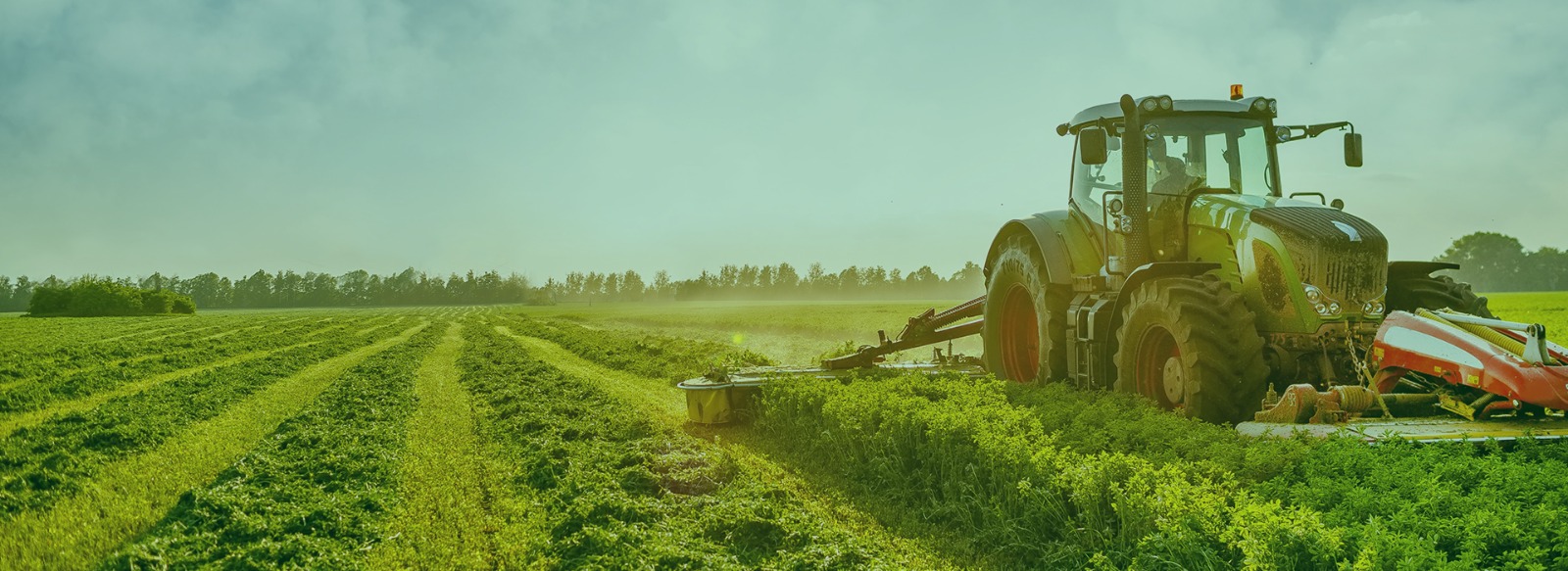

Agriculture encompasses crop and for food and non-food products.

Today, small farms produce about a third of the world’s food.

The major agricultural products can be broadly grouped.
Agriculture encompasses crop and livestock production, aquaculture, fisheries and forestry for food and non-food products.
Agriculture was the key development in the rise of sedentary human civilization, whereby farming of domesticated species created food surpluses that enabled people to live in cities.
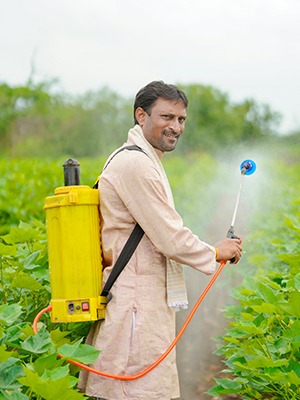
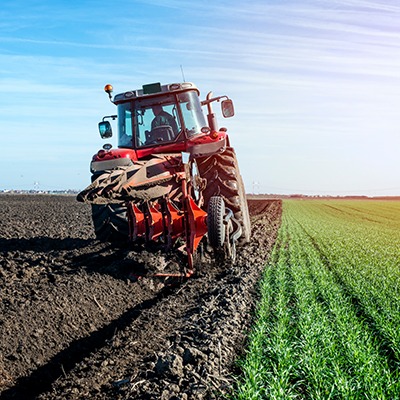
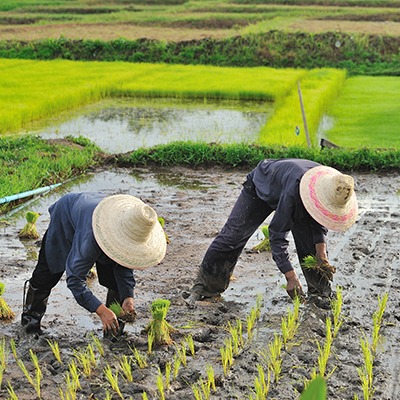
The development of agriculture enabled the human population to grow many times larger than could be sustained by hunting and gathering.
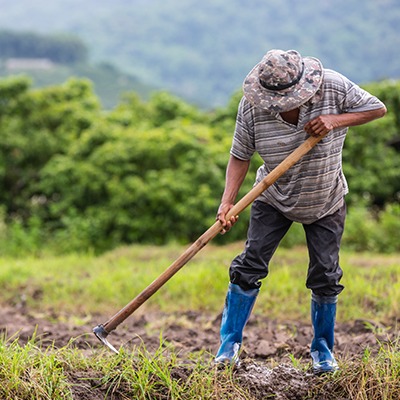
There is evidence of ‘intensification’ across the whole continent over that period.
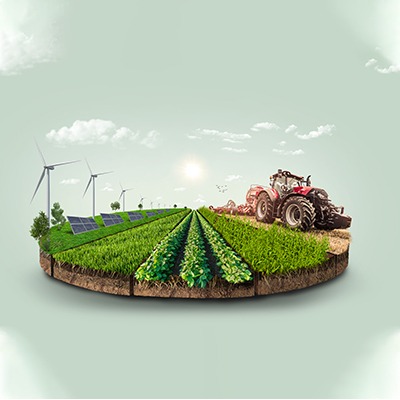
In the Middle Ages, compared to the Roman period, agriculture in Western Europe became more focused on self-sufficiency
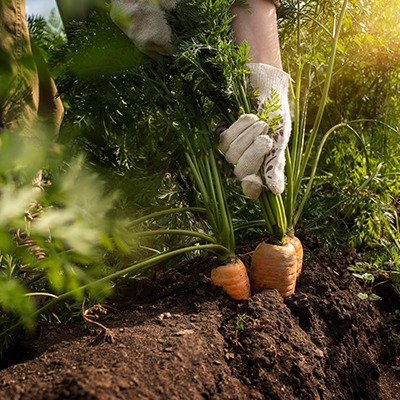
Agriculture, specifically farming, remains a hazardous industry, and farmers worldwide remain at high risk of work-related injuries, lung disease
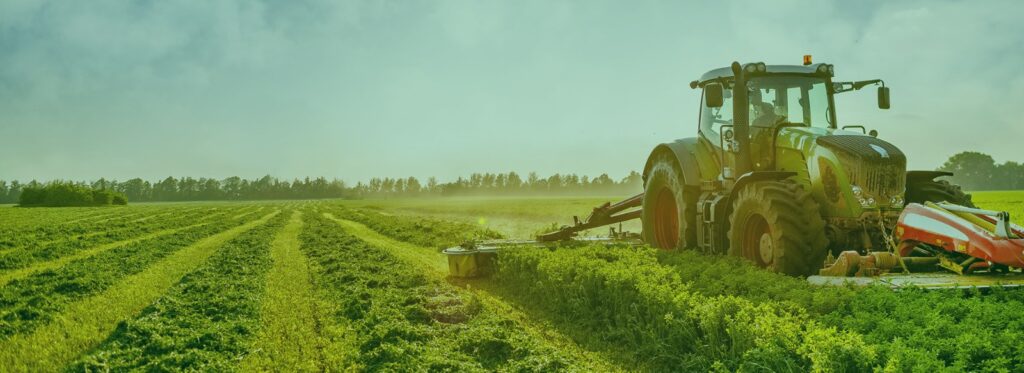

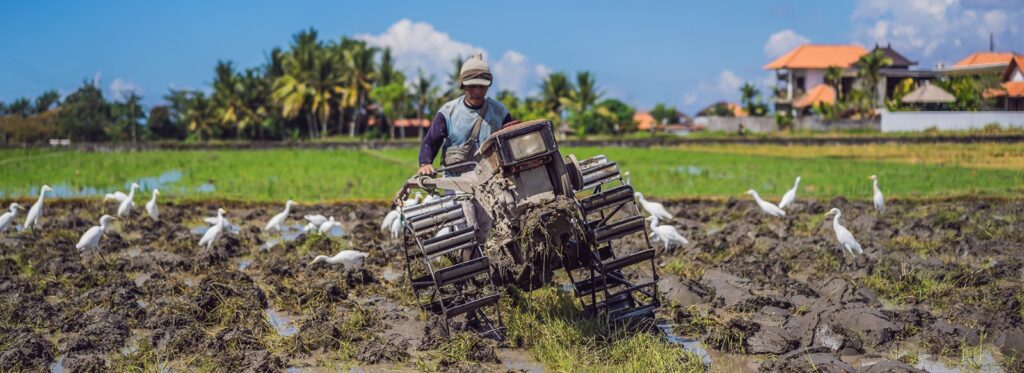
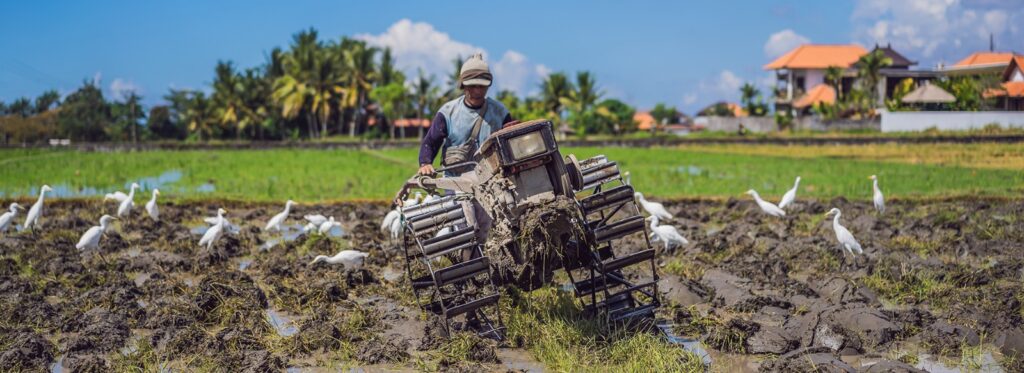

Subsistence agriculture occurs when farmers grow crops to meet the needs of themselves and their families on smallholdings. Subsistence agriculturalists target farm output for survival and for mostly local requirements, with little or no surplus.
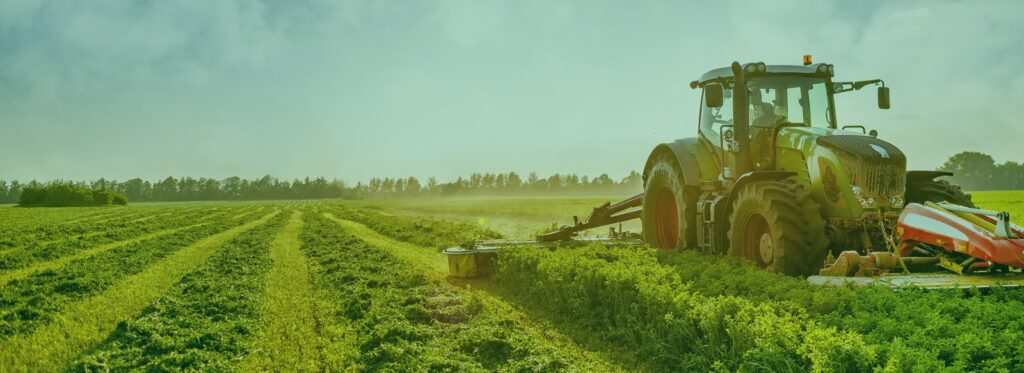
Most commercial agricultural operations are considered to be a form of intensive farming. Intensive farming has high inputs of agrochemicals, mechanization, and …
Agrogeology – study of minerals of importance to farming and horticulture, especially with regard to soil fertility and fertilizer components. These minerals
Lorem ipsum dolor sit amet, consectetur adipiscing elit, sed do eiusmod tempor incididunt ut labore et dolore magna aliqua.

000012321545648